

From Smart Homes to AI Neighbours: The Next Big Tech Shifts in Real Estate
From Smart Homes to AI Neighbours: The Next Big Tech Shifts in Real Estate
The future of real estate isn't only about finding a home online anymore.
Technology is beginning to change what happens after you find one.
Homes are becoming smarter, more connected, and increasingly capable of responding to the people who live inside them. Artificial intelligence is moving beyond search tools and chatbots and into security systems, energy management, home assistants, maintenance, and everyday household routines.
At the same time, technology is beginning to influence the communities surrounding our homes. AI-powered services, connected infrastructure, and smarter neighbourhood systems could change how people interact with where they live.
For today's buyers and sellers, understanding these changes can provide a glimpse into where real estate is heading next.
Smart Homes Are Becoming More Intelligent

Smart home technology isn't new. Homeowners have already been using connected thermostats, cameras, doorbells, lighting systems, locks, and voice assistants for years.
What's changing is how these devices work together.
Instead of simply responding to individual commands, newer AI-powered systems are designed to understand patterns and preferences. A smart home may learn when residents typically adjust the temperature, turn off lights, arrive home, or use certain appliances.
The goal is moving from a home that can be controlled remotely to a home that can anticipate what its occupants need.
At CES 2026, household robots, smarter security systems, and AI-powered home technologies were among the innovations highlighted as part of the next generation of smart-home technology.
That could make convenience one of the most important features of future homes.
AI Could Change the Way Homes Are Maintained
Imagine a home that doesn't simply tell you when something is wrong but helps identify a problem before it becomes expensive.
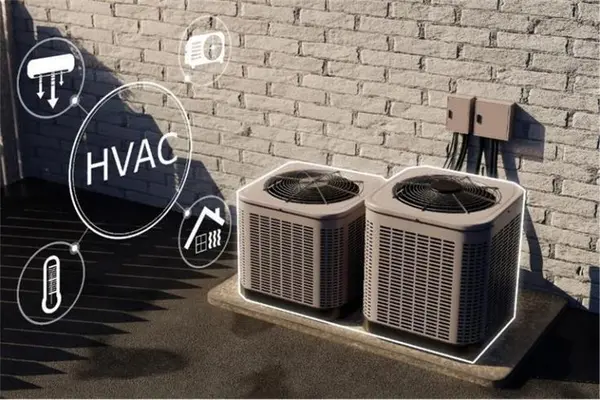
Connected sensors can monitor systems such as HVAC equipment, water usage, energy consumption, and security. As these technologies become more sophisticated, AI could analyse that information and recognise unusual patterns.
A homeowner might receive an alert that an HVAC system is behaving differently than normal or that water usage suggests a potential leak.
Instead of discovering a problem after damage occurs, homeowners could have an opportunity to address it earlier.
That has implications beyond convenience. Predictive maintenance could potentially help homeowners protect their investment and better understand the condition of major systems over time.
Energy Efficiency Is Becoming a Technology Story
The smart home of the future may also be a more energy-conscious home.
Smart thermostats, connected appliances, energy monitors, solar systems, batteries, and automated lighting can work together to help homeowners understand and manage how their property uses energy.
AI could take that one step further by analysing usage patterns and adjusting systems automatically.
For buyers, this means energy technology may increasingly become part of the conversation when evaluating a home.
Instead of asking only whether a property has a new HVAC system or energy-efficient appliances, future buyers may also want to know how intelligently those systems work together.
What About the “AI Neighbour”?
The idea of an AI neighbour may sound futuristic, but the concept is becoming easier to imagine.
An AI-powered neighbourhood doesn't necessarily mean robots walking down the street.
It could mean communities where technology helps coordinate everyday services, improve security, manage energy, monitor infrastructure, and make information easier for residents to access.
Imagine receiving an automated notification about a community event, a road closure, a maintenance issue, or an unusual weather condition. Imagine neighbourhood infrastructure that can identify problems and alert the appropriate people before they become larger issues.
Researchers are already exploring the idea of interconnected AI agents operating throughout buildings and urban environments, raising questions about how these systems could coordinate with residents, property owners, operators, and infrastructure.
The technology is still developing, but the direction is clear: real estate technology may eventually extend far beyond the walls of an individual home.
Technology Could Change What Buyers Look For
For years, buyers have focused on familiar features such as kitchens, bathrooms, square footage, garages, outdoor space, and location.
Technology is adding another layer to that decision.
A buyer may increasingly ask whether a home has a reliable smart-home infrastructure, modern security systems, efficient energy technology, strong connectivity, or systems that can easily integrate with future technology.
That doesn't mean every buyer will want the most technologically advanced home.
For many people, simplicity will still matter.
The important change is that technology is becoming another factor buyers can consider when deciding whether a property fits their lifestyle.
Smart Technology Could Influence Home Value
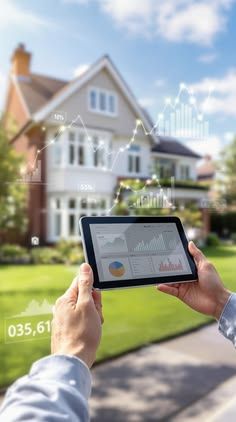
Technology alone doesn't automatically make a home more valuable.
A complicated system that is difficult to operate or maintain may actually create concerns for some buyers. Privacy, cybersecurity, compatibility, subscription costs, and replacement expenses are all considerations that homeowners need to understand.
The most valuable technology is likely to be technology that genuinely improves the living experience.
Convenience, security, energy efficiency, and reliability are more meaningful than simply having the newest gadget.
As smart-home adoption grows, buyers may become increasingly interested in technology that is practical rather than technology that is simply impressive.
Real Estate Professionals Are Becoming More Tech-Driven Too
The technology transformation isn't limited to the homes themselves.
Real estate professionals are using AI and other tools to improve everything from marketing and property analysis to communication and client service.
According to the National Association of REALTORS® 2025 Technology Survey, 41% of REALTORS® reported using AI or generative AI, while social media, eSignature technology, drone photography, and AI-generated content were among the technologies already being used across the industry.
That means the real estate experience is becoming increasingly digital on both sides of the transaction.
Buyers may use AI to search for homes.
Agents may use AI to analyse information and communicate more efficiently.
And homeowners may use AI to manage the properties themselves.
Technology Will Not Replace the Human Side of Real Estate
As exciting as these developments are, technology still has limits.
A smart thermostat can learn your schedule.
An AI assistant can organise information.
A connected security system can monitor your property.
But none of those technologies can replace the personal decisions involved in buying or selling a home.
Real estate is still about people, families, financial goals, neighbourhoods, and long-term plans.
The smartest technology should make those decisions easier, not make them less personal.
The Future of Real Estate Is More Connected
The next major transformation in real estate may not be one single invention.
It may be the way dozens of technologies begin working together.
A home that understands its occupants. Systems that predict maintenance. Technology that manages energy more intelligently. AI that helps residents navigate everyday life. Neighbourhoods that become increasingly connected.
Some of these ideas are already becoming reality, while others are still developing.
For buyers and sellers, the important thing is to understand that technology is becoming another part of the real estate conversation.
At The Gonzalez Legacy Group, we believe staying ahead in real estate means understanding not only today's market but also the changes shaping tomorrow's homes. Technology will continue to evolve, but the fundamentals of real estate will remain: location, value, condition, lifestyle, and the people who help you make the right decision.
The homes of the future may be smarter.
The neighbourhoods may be more connected.
But choosing the right place to call home will always be about more than technology.
Categories
Recent Posts








Team Lead, Trusted Real Estate Advisor License ID: 0542785
+1(832) 766-0195 | elisa@gonzalezlegacygroup.com